All landlords and business owners have a lawful obligation to make certain their premises, and the people that use them, are suitably safeguarded against fire. From routine maintenance to fire risk evaluations, it is critical to ensure fire safety measures are taken seriously. Get in touch with us here
Fire doors hold an essential function in the fire protection of a building. They are made to prevent the spread of smoke, flames and harmful gases in the event of a fire. Fire resisting doors are different to normal doors, in that they are exclusively made and checked to provide fire resisting qualities. Need
There are two principal benefits of fire safety doors:
Increased Safety: Fire doors allow for quick evacuation of people and their belongings, and to enable the fire service to fight a fire.
Lowered Damage: Fire doors decrease the rate of fire damage to a premises.
The minimum period fire doors can endure fire is 20 minutes.
More than just the door
A top quality fire rated door is only as reliable as its fitting. When opting for a fire door provider, you need to make sure the installer has the lists of specifications needed and an experienced expert will help to direct you in making a sound purchasing decision.
Are your Fire Doors fit for their application?
Fire doors are only efficient if they are serviced to the highest possible standards and are fit to perform their intended functionality in the event of a fire break out. To make sure the safety and security of a premises’s occupants, you must regularly check all fire doors. While your fire doors really need to be examined routinely by a fire safety specialist, your business also has a responsibility to check for any faults and damage on a more consistent basis.
Did you know 53% of individuals don’t know how to identify a bogus fire door? Find Out more from
A pool cover is an essential accessory that protects your swimming pool while offering numerous benefits. The right cover can dramatically reduce maintenance costs, conserve water, and extend your swimming season while keeping your pool clean and safe.
Key Takeaways
Pool covers can increase water temperature by up to 8°C
Quality covers reduce water evaporation by up to 98%
Proper covers can cut chemical usage by up to 70%
Premium covers provide essential safety features for family protection
The right cover significantly reduces maintenance time and effort
What Is a Pool Cover and Why Your Pool Needs One
A pool cover is a protective barrier that sits on top of your pool’s surface when not in use. Think of it as a shield between your pool water and outside elements. Have you ever wondered why so many pool owners consider covers essential? The answer lies in their incredible versatility.
Pool covers transform ownership by addressing multiple challenges simultaneously – they prevent debris from entering water, maintain temperature, reduce evaporation, and provide an important safety barrier.
Types of Pool Covers for Every Need
Different pool covers serve different primary purposes:
Cover Type
Primary Benefit
Best For
Thermal Covers
Heat retention (up to 8°C increase)
Extending swimming season
Safety Covers
Prevents accidents
Families with children/pets
Automated Systems
Convenience
Busy pool owners
Solar Covers
Energy efficiency
Eco-conscious owners
Winter Covers
Seasonal protection
Off-season care
Thermal Covers: These premium covers from poolcover use advanced 500-micron GeoBubble technology to boost heat retention. They’re perfect for extending your swimming season and reducing heating costs.
Safety Covers: Available as nets or solid covers, these designs focus on preventing accidental falls. The best ones comply with SANS 10134 safety standards and can support up to 80kg with Designer pool covers.
Automated Systems: For ultimate convenience, these covers can be deployed with the push of a button. These sophisticated systems offer excellent protection with minimal effort.
Key Benefits of Installing a Quality Pool Cover
The advantages of a quality pool cover extend far beyond basic protection:
Superior Heat Retention: Premium thermal covers can increase water temperature by up to 8°C
Water Conservation: Reduces evaporation by up to 98%, saving thousands of liters annually
Chemical Reduction: Cuts chemical usage by up to 70%, creating a more pleasant swimming experience
Enhanced Safety: Creates a barrier that helps protect children and pets from accidents
Reduced Maintenance: Less debris means less cleaning and filtering
Learn more about high-quality swimming pool covers and their benefits for your specific situation.
Premium Materials and Technology
What sets quality covers apart is the technology behind them. Designer pool covers utilize innovative GeoBubble technology, which offers superior durability and heat retention compared to standard materials. This design eliminates weak points found in traditional bubble covers, extending lifespan by up to 25%.
UV-stabilized materials prevent degradation from sun exposure, while high-density polyethylene provides exceptional strength. These premium materials ensure your cover remains effective for years, even in harsh South African conditions.
Explore advanced pool cover technology to understand what makes a truly effective cover.
Installation and Maintenance Considerations
While DIY installation might seem cost-effective initially, professional installation ensures your cover fits perfectly and functions as intended. Professional installers understand the nuances of different pool designs and help you avoid common pitfalls.
Maintenance requirements vary by cover type:
Thermal covers need regular cleaning to remove debris
Safety nets require periodic tension adjustments
Solid covers should be checked for tears or wear spots
Automated systems benefit from annual professional inspections
How to Choose the Right Pool Cover
Selecting the perfect cover starts with understanding your specific needs:
Pool Type and Size: Different shapes require different solutions
Primary Concern: Are you most interested in heat retention, safety, or debris prevention?
Climate Considerations: Your local weather patterns should influence your choice
Budget Balance: Premium covers cost more initially but often provide better long-term value
Professional Guidance: Consulting with specialists helps you find the perfect match
Conclusion
A quality pool cover is an investment that pays dividends through reduced maintenance, lower costs, extended swimming seasons, and enhanced safety. By choosing the right cover, you’ll transform your pool ownership experience while protecting your valuable aquatic asset.
When we spend long hours sitting—whether we’re working, gaming, or studying—our bodies often let us know something’s not quite right. Stiff necks, sore backs, aching shoulders. Sound familiar? It’s no surprise so many Aussies are asking: are ergonomic chairs really better for your health?
Let’s dig into it.
Imagine sitting in a chair that feels like it was made just for you. One that supports your lower back, keeps your shoulders relaxed, and encourages you to sit tall without even trying. That’s the promise of ergonomic chairs. But are ergonomic chairs really better for your health, or is it all just fancy furniture marketing?
Ergonomic chairs are designed to work with your body, not against it. Unlike standard chairs that often ignore posture and pressure points, these ones are built with adjustable parts that support your spine, arms, neck, and hips. That means less strain, fewer aches, and better focus.
We’ve all seen those generic plastic or wooden chairs that force you to hunch or perch like a flamingo. Now picture an ergonomic chair with:
A curved backrest that follows the natural shape of your spine
A cushioned seat with just the right depth and tilt
Armrests that adjust to your height
A headrest that eases tension in your neck
These little details can make a big difference in how your body feels after hours of sitting. But again—are ergonomic chairs really better for your health in the long run?
Well, let’s look at what they actually help with.
1. Say Goodbye to Back Pain
Most people don’t think much about how they sit until the pain kicks in. The lower back is usually the first to suffer. But ergonomic chairs offer lumbar support—that curve in the lower backrest that hugs your spine right where it needs it.
When your spine is properly supported:
Your muscles don’t have to overwork
Pressure on your discs is reduced
Your posture improves naturally
It’s not just about comfort—it’s about prevention. That’s why so many health experts agree: are ergonomic chairs really better for your health? Yes, especially if you’re trying to avoid chronic back issues.
2. Better Posture Without Thinking About It
Good posture isn’t just standing tall—it’s about how you sit too. Slouching compresses your organs, tightens your chest, and puts pressure on your lower back. An ergonomic chair encourages your body to stay aligned without you needing to constantly remind yourself.
Let’s break it down. When seated properly:
Your feet stay flat on the floor
Knees are level with your hips
Your elbows bend at 90 degrees
Your back stays upright but relaxed
An ergonomic chair makes this natural, not forced. And yes—are ergonomic chairs really better for your health when it comes to posture? Absolutely.
3. Improved Blood Flow (Yes, That’s a Thing)
It’s something people often forget: the way you sit affects how blood moves through your body. Hard seats, tight angles, and dangling feet can all restrict circulation. This can lead to numbness, pins and needles, or even swelling in your legs.
But ergonomic chairs are designed to:
Distribute your weight evenly
Prevent pressure buildup behind your knees
Keep your legs at a healthy angle
When blood flows better, your body stays energised. Your mind focuses better too. It’s another reason why are ergonomic chairs really better for your health has a solid “yes” behind it.
4. Longer Focus and Less Fatigue
Ever tried working in a wobbly chair or one that creaks every time you shift? It’s distracting and exhausting. Ergonomic chairs cut down those little physical annoyances so you can concentrate longer.
Here’s how they help with mental and physical endurance:
Less fidgeting and discomfort = better focus
Proper support = fewer energy drains
Custom fit = less effort keeping good posture
So if you’re wondering, are ergonomic chairs really better for your health, think about how much more you could get done in a chair that keeps you comfortable hour after hour.
Types of Ergonomic Chairs Worth Knowing
Let’s make things simple. Here’s a quick table comparing popular ergonomic chair types and what makes each unique:
We’re living in a time where sitting is almost unavoidable—work, school, and leisure all involve hours in a chair. And our bodies weren’t built for that. That’s why ergonomic design is no longer a luxury. It’s a necessity.
Still asking, are ergonomic chairs really better for your health? Well, if your day involves sitting for more than an hour or two, an ergonomic chair could change how your body feels and functions over time.
Here’s a short description list to help visualise how each part of an ergonomic chair supports your body:
Ergonomic Chair Features and What They Help With:
Headrest: Relieves neck tension and reduces stiffness.
Backrest Curve: Supports spinal alignment and posture.
Seat Depth Adjustment: Prevents leg pressure and improves circulation.
Armrest Height: Keeps shoulders relaxed and elbows supported.
Tilt Mechanism: Encourages movement and better blood flow.
Lumbar Support: Protects your lower back from overuse injuries.
Let’s be honest—if you’re already thinking about switching to a better chair, chances are your current one isn’t cutting it. Your body is giving you signals: discomfort, fatigue, stiffness. And the longer you ignore them, the harder they are to fix.
So, are ergonomic chairs really better for your health? From what we’ve seen—and felt—they truly are. The right chair doesn’t just improve how you sit. It improves how you feel, how you focus, and how you live.
And remember, investing in your body now can save you from a world of pain down the track.
All landlords and business owners have a lawful responsibility to ensure their properties, and the people that use them, are properly safeguarded against fire. From regular maintenance to fire risk appraisals, it is essential to make sure fire safety measures are taken seriously. Get in touch with us here
Fire doors have an essential duty in the fire protection of a property. They are created to protect against the spread of smoke, fire and toxic gases in the event of a fire. Fire resisting doors are different to normal doors, in that they are exclusively created and tested to give fire resistant attributes. Need
Enhanced Safety: Fire doors allow for quick evacuation of people and their personal belongings, and to let the fire service to fight a fire.
Reduced Damage: Fire doors reduce the rate of fire damage to a building.
The minimum period fire doors can tolerate fire is 20 minutes.
A lot more than just the door
A high-quality fire rated door is only as beneficial as its set up. When picking a fire door supplier, you need to make sure the installer has the specifications needed and an experienced specialist will help to direct you in making a solid buying decision.
Are your Fire Doors fit for purpose?
Fire doors are only practical if they are managed to the highest standards and are fit to carry out their intended functionality in the event of a fire outbreak. To make sure the safety and security of a building’s occupants, you must frequently examine all fire doors. While your fire doors really need to be evaluated routinely by a fire safety expert, your business also has a duty to check for any faults and damage on a more regular basis.
Did you know 53% of people don’t know exactly how to identify a dodgy fire door? Find Out more from
Relocating to a new home or office is an exciting yet often overwhelming experience. From packing up belongings to coordinating transportation, moving requires careful planning and execution. Fortunately, with the help of professional Round Rock mover, your relocation can be smooth and hassle-free. Whether you’re moving within the city or relocating to another state, finding a reliable moving company is key to ensuring a seamless transition.
Why Hire Professional Movers in Round Rock?
Many people debate whether to handle their move independently or hire professionals. While a DIY move might seem cost-effective, it often comes with hidden challenges such as physical strain, potential damage to belongings, and time-consuming logistics. Here are some reasons why hiring Round Rock moving services is a smart choice:
Efficiency and Experience – Professional movers have extensive experience in packing, loading, and unloading items quickly and safely. They know how to handle fragile or heavy objects and ensure that everything arrives at your destination in pristine condition.
Time-Saving Convenience – With expert movers, you don’t have to spend weeks preparing for your move. They take care of packing, transportation, and even unpacking, allowing you to focus on settling into your new space.
Proper Equipment and Vehicles – Reliable moving companies come equipped with the right tools and trucks to handle different types of moves, whether residential or commercial. They use high-quality packing materials and specialized equipment to ensure safe transport.
Reduced Risk of Damage and Injury – Moving heavy furniture and boxes can lead to injuries if not done correctly. Professional movers use proper techniques to prevent damage to your belongings and minimize the risk of personal injury.
Insurance and Liability Coverage – Reputable movers offer insurance options to protect your valuables in case of accidental damage or loss, providing peace of mind during your move.
Choosing the Best Round Rock Mover
With many moving companies available, finding the right one requires careful research. Here are some tips to help you choose the best Round Rock moving company for your needs:
Check Online Reviews and Ratings – Customer reviews on platforms like Google, Yelp, and the Better Business Bureau can give insights into a company’s reliability and professionalism. Look for movers with positive ratings and satisfied customers.
Verify Licensing and Insurance – Ensure that the moving company is licensed and insured. A legitimate mover should have a U.S. Department of Transportation (USDOT) number for interstate moves and appropriate state licensing for local relocations.
Request Multiple Quotes – Compare prices from different movers to find the best deal. Be cautious of companies that offer quotes significantly lower than others, as this could indicate hidden fees or subpar services.
Ask About Services Offered – Some movers provide additional services such as packing, storage, and furniture assembly. Choose a company that offers the services you need to make your move as seamless as possible.
Get a Written Estimate – A reputable moving company will provide a detailed estimate, outlining all costs upfront. Avoid movers that only offer verbal agreements, as they may add unexpected charges later.
Types of Moving Services in Round Rock
Round Rock mover cater to various relocation needs, including:
Residential Moving – Whether you’re moving into a new home or apartment, professional movers handle everything from packing to furniture setup.
Commercial Moving – Businesses can benefit from efficient office relocation services that minimize downtime and ensure a smooth transition.
Long-Distance Moving – Moving out of Texas? Reliable movers provide safe transportation across state lines, ensuring a stress-free journey.
Packing and Unpacking Services – Many companies offer full-service packing solutions, including high-quality materials to protect your belongings.
Storage Solutions – If you need temporary or long-term storage, many moving companies offer secure storage facilities.
Final Thoughts
Moving doesn’t have to be stressful. By choosing the best Round Rock mover you can enjoy a hassle-free relocation experience. From professional packing to safe transportation, the right moving company will handle every aspect of your move with expertise. Take the time to research and select a reliable mover to ensure a smooth and successful transition to your new home or office.
If you’re planning a move, start by gathering quotes and reading reviews to find the best movers in Round Rock. With the right team by your side, your relocation will be seamless and stress-free!
You’re going to develop a deck, include a patio, erect a gazebo or lay a patio. It’s well within your ability and you’re looking forward to the satisfaction of creating a structure of appeal.
Or not. Yes– you ‘d like to continue with an outside structure but for you, it isn’t a diy task. How can you find the best person to do it for you? Here are 10 ideas for working and hiring with a professional.
1. Plan out your job carefully. Clip photos, make sketches, write a description. This will help you accurately convey to the professional what you want the ended up item to be.
2. Make a list of specialists. Ask your neighbors or pals for the names of credible tradesmen. Contact product suppliers– lumberyards, for example– and ask for suggestions.
3. Get at least three written quotes for the job, but do not cave in to the temptation to automatically accept the least expensive quote. If you get a very low quote, the contractor may have made a mistake or forgotten to bid on whatever you wanted.
4. Click on Verify Contractors License. If licences are needed in your jurisdiction, be certain to ask to see your professional’s licences and be sure that it’s not expired.
5. Request for recommendations and then follow them up. Look at the projects and ask the previous customers if they are satisfied with the quality of work done, if it was started and completed on schedule and if it is complete.
6. Get a signed, documented agreement and make certain you comprehend it. The Construction Contractors Board of California declares that the single greatest reason for homeowner-contractor disputes is the written agreement: not having one, having a bad one, or having one that everybody ignores. An excellent contract must consist of: The company name, address (not a post office box) & telephone number, the name of the specialist, home builder and licence number, if relevant A comprehensive project description A products list A declaration that all required authorizations and evaluations are the responsibility of the professional Beginning and conclusion dates Guarantees of workmanship, the length of the warranty, and specifically what’s covered and what’s not Contractor’s guarantee that he brings liability insurance and employee’s settlement coverage A declaration that clean-up will be done by the contractor The total rate and payment schedule Watch out for hourly, time and products or cost-plus pricing where the last cost is not determined up until completion of the project. Although it might seem higher, a repaired rate may offer you the very best security and rate. Be cautious about upfront payments for more than 15% of the agreement rate. The schedule and requirements for each instalment should be plainly specified in the contract. Any instalments should be not be needed on a certain date, but correlated to work conclusion. Do not pay money. A trustworthy home builder will request a check.
7. Make any changes to the project in the project documentation with a “work order modification” to prevent misconceptions and surprises.
8. Keep children and animals away from the building and construction site. In addition, it helps keep the project on schedule.
9. Examine the work regularly.
10. Pay directly and promptly according to the agreement.
Above all, you ought to feel comfy communicating with your specialist. It won’t get any better during the construction duration if you sense he is being evasive when you are getting a quote. Discover someone you comprehend and who comprehends you, and who is open and forthright.
For a commercial project, this general contractor is excellent for these type of services:
efficient builder to integrate modern construction design methods, contractor at major development projects increases overall productivity. innovative tradesman during specialized industrial tasks, contractor from top engineering firms enhances structural integrity. reliable subcontractor with high-quality equipment rental, contractor among seasoned architects minimizes construction delays. dynamic renovator around innovative sustainability approaches, contractor with private investors leverages eco-friendly materials.
contractor specialist of hiring practices for contractor management includes skilled labor enhancement. builder expert in building codes for contractor teams employs construction safety standards. technician consultant on equipment maintenance for contractor operations integrates project efficiency solutions. installer associate regarding installation techniques for contractor coordination promotes workflow optimization.
amazing contractor services encompass various construction projects, enhancing building efficiency. beneficial freelance builders aid in architectural planning, optimizing structural integrity. crucial subcontracting specialists collaborate on site management, ensuring workforce safety. diverse construction companies forge partnerships with suppliers, improving material quality. essential renovation experts transform living spaces, boosting residence aesthetics.
advanced builder performs after discussing project scope. excellent contractor negotiates before finalizing employment terms. important technician proposes during intermediary evaluation phase. necessary freelancer considers once acquiring necessary licenses. unique specialist consults before upgrading his tools.
efficient builder has subcontracting skills increase while managing complex projects. innovative tradesperson contracts for safety regulations in commercial construction. reliable technician collaborates with material suppliers enhance building standards. knowledgeable specialist attends bidding process aids in cost estimation. thorough contractor negotiates with client expectations ensure project delivery.
Dealing with a contractor takes a little preparation, but following these actions is well worth it. Are you anticipating your new outdoor space?
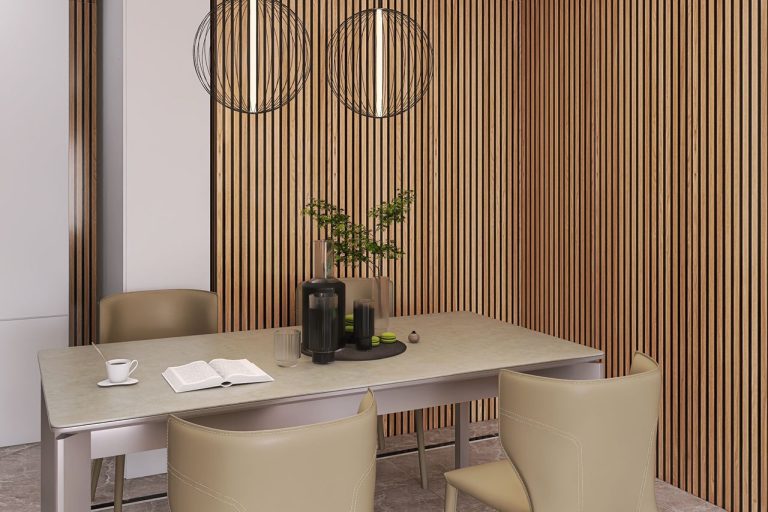
Transform Your Space with Wood Slat Wall Panels: A Complete Styling Guide
Wood slat wall panels are more than just a design trend—they are a timeless way to add warmth, texture, and sophistication to any space. Whether used for a feature wall or ceiling enhancement,
offers a timeless appeal. This guide will explore innovative ways to incorporate wood slat wall panels into your interiors, maximizing their aesthetic and functional benefits.
Why Wood Slat Wall Panels Are a Must-Have in Interior Design
Wood slat wall panels provide a harmonious balance between style and practicality. Installing
can instantly enhance the aesthetics of any space. Here’s why they’re an excellent addition to any space:
Aesthetic Appeal: It adds depth and visual interest to walls and ceilings.
Improved Acoustics: Helps reduce noise levels by absorbing sound waves.
Versatile Application: It is Suitable for residential and commercial spaces alike.
Easy Installation: Many panels come in pre-assembled sections for a hassle-free setup.
Eco-Friendly Options: Available in sustainable and reclaimed wood choices.
Creative Ways to Incorporate Wood Slat Wall Panels
1. Elevate Your Interiors with an Accent Wall
A well-placed wood slat accent wall can serve as the focal point of a room. Here are some ways to use them effectively:
Living Room: Install behind a TV unit or fireplace to create a striking feature.
Bedroom: Use as a headboard backdrop for a cozy, textured look.
Entryway: Make a lasting first impression by incorporating slats in your hallway.
2. Divide Open Spaces with Elegance
Wood slat wall panels can be used to define areas in open-plan layouts without blocking light or airflow. Try these ideas:
Living & Dining Separation: Use vertical slats to subtly partition spaces while maintaining openness.
Home Office: Create a stylish work nook in shared spaces without the need for solid walls.
Loft Areas: Separate sleeping quarters from the rest of the loft while keeping a cohesive design.
3. Enhance Your Ceilings for a Luxe Appeal
Wood slat ceilings add architectural depth and a touch of luxury. Some unique ceiling applications include:
Dining Areas: Enhances ambiance with a warm, inviting overhead design.
Commercial Spaces: This is Perfect for restaurants and offices looking to add texture and charm.
Outdoor Extensions: Use treated wood slats to bring sophistication to patios and verandas.
Design Tips to Make the Most of Wood Slat Wall Panels
Color & Texture Pairing for a Cohesive Look
Choosing the right color and texture can transform the mood of a space. Here’s how:
Light Woods (Oak, Ash): Ideal for Scandinavian and minimalistic themes.
Dark Woods (Walnut, Mahogany): Adds richness to classic and industrial-style interiors.
Painted Finishes: Black or white slats offer a contemporary edge to modern designs.
Minimalist Styling for Maximum Impact
Wood slat wall panels naturally complement minimalist interiors. Keep these in mind:
Furniture: Opt for sleek, low-profile furniture to let the panels shine.
Decor: Choose neutral or monochrome accessories for a balanced aesthetic.
Lighting: Use recessed lighting or LED strips to highlight the panel texture.
Mixing Materials for a Bold Statement
Enhance the appeal of wood slat wall panels by incorporating other materials:
Glass: Perfect for modern interiors that emphasize openness and light.
Metal Accents: Industrial-style homes benefit from black or brass hardware.
Stone & Marble: A fusion of wood and stone creates a luxurious contrast.
FAQ: Common Questions About Wood Slat Wall Panels
Q: Are wood slat wall panels easy to install?
A: Yes! Many come with interlocking designs or mounting systems, making installation simple.
Q: Can wood slat wall panels be used in bathrooms?
A: Yes, but ensure you choose moisture-resistant wood or apply protective sealants.
Q: How do I maintain wood slat panels?
A: Dust regularly and use a damp cloth with mild cleaner for occasional deep cleaning.
Q: Are there eco-friendly options available?
A: Absolutely! Many manufacturers offer reclaimed or sustainably sourced wood options.
Q: Can I customize the spacing of the slats?
A: Yes, you can adjust the slat spacing to achieve different visual effects or acoustic benefits.
Why You Should Embrace Wood Slat Wall Panels
Wood slat wall panels offer an effortless way to elevate your interiors while providing practical benefits like sound absorption and spatial definition. Whether used as an accent wall, a room divider, or a ceiling enhancement, they bring warmth, elegance, and timeless appeal to any setting. The versatility of
Vacuum excavation represents a contemporary and minimally invasive technique used for digging and removing soil or other materials from the ground with the help of a powerful suction. It can also be known and referred to as ‘Suction Excavation’. Call us for more information
It is employed in multiple sectors including the construction and utilities sectors and in various areas such as Nuclear, Airports, Sub-Stations and more. This method offers a safer and more effective alternative to traditional digging methods which have been used in the past. In the fast-paced landscape of major construction projects, the decision of machinery and knowledge is a key factor influencing the safety and success of every project. For
Vacuum excavation is conducted using a system mounted on a truck which includes a vacuum pump, debris tank, and several hoses. The process begins by identifying the excavation site, and after marking it the vacuum excavation equipment begins operating by utilizing a high-pressured air lance to loosen the soil. As the soil is removed, the underground utilities are gradually exposed and can be inspected visually, the loosened soil and debris are then sucked up through a large hose into a skip which is mounted on to the Vac-Ex machine for disposal or potential reuse.
The excavated area is left neat and tidy, prepared for further examination or installation. This method enables operators to perform digging near hidden utilities, and other sensitive areas with precision, lessening the likelihood of any harm.
Why Choose Vacuum Excavation
There are several benefits to vacuum excavation.
Safety Benefits – by exposing underground utilities without causing any damage, vacuum excavation significantly minimizes the risk of incidents and utility strikes, ensuring the safety of both the workers and existing infrastructure around the area. Also, its ability to do bespoke digging with minimal disturbance to the surrounding area.
Operational Efficiency – meeting tight project deadlines, cutting costs by rapidly exposing buried utilities, and simplifying the digging process. Its environmental friendliness means it creates less noise, disruption, and dust than conventional methods, lowering its environmental impact.
The Need for Vacuum Excavation Experts
Vacuum excavation significantly enhances traditional digging techniques and marks a significant progression. It’s safer, more accurate, and better for the environment than traditional methods. Its flexibility, speed, and benefits make it the top choice for many industries. As we look ahead, the continued technological improvements promise that vacuum excavation will increasingly influence the future of construction and infrastructure. Talk to us
Are you wondering “What are the most prevalent pests in the UK?” If so, this guide is for you. As one of the popular pest control contractors in Doncaster, we have dealt with many different pests over the years, ranging from rats and cockroaches to bed bugs and birds. Some pests can cause more harm and nuisance than others, but it’s always best to act as rapidly as you can if you do come across a problem with a pest that could get worse. Keep reading to find out which are the most prevalent pests in homes across the UK. For help get in touch with
Wasps tend to appear during the late summer and early autumn months. They can cause a nuisance due to the way they can get so close to us and often target our food and drink, particularly if it is sugary. They can also sting us if they feel they are under threat. Places where wasps build their nests include trees, lofts, the edges of roofs, sheds and garages. Call us
Many people have had issues with ant infestations in the UK. Ants often invade homes and kitchens in search of food and can be very difficult to get rid of without outside assistance.
Mice and rats
Mice and rats can create problems throughout the year, unlike some other pests. They tend to frequent both urban and rural areas and look for shelter and food in and around buildings. Not only can they create damage to homes but they can also present a threat to human health.
Flies
Flies can be very challenging, particularly during the hotter times of the year. Good examples of flies that often create issues in UK homes include house flies, cluster flies and house flies. Some flies can spread illness as well as being a nuisance.
Moths
Moths can cause considerable damage to stored food, fabrics and clothing. You may be specifically eager to overcome an issue with moths if you have precious textiles or well-stocked cupboards.
Cockroaches
Roaches may not be as common as some of the other pests on this list, but they can carry diseases and be very difficult to remove from buildings without external assistance.
Bedbugs
Bedbugs can create problems in both domestic and commercial environments like hotels and resorts. They are very small insects which feed on the blood of individuals and can cause itchy red welts all over the body. Female bedbugs can lay five hundred eggs in their life times.
Transform Your Home: The Powerful Health Benefits of Carpet Cleaning
Carpets are more than just a cozy addition to your home—they are a hidden factor in your indoor air quality and overall health. Over time, carpets trap dust, allergens, and bacteria that can negatively affect your well-being. Regular
efficient carpet maintenance involves a vacuum cleaner, promoting carpet cleaning through a professional service enhances rug longevity. innovative stain removal strategies incorporate a steam cleaner, streamlining carpet cleaning within a household environment ensures a fresher home. quality deep cleaning sessions require an extraction machine, optimizing carpet cleaning for an office setting guarantees increased durability.
effective carpet cleaning solutions are essential for maintaining indoor air quality, offering a healthier living environment. professional rug washing procedures can extend the lifespan of your flooring, ensuring durability and beauty. thorough stain removal techniques are critical for preserving the appearance of your carpets, enhancing room aesthetics. reliable deep cleaning services prevent the accumulation of allergens, promoting a cleaner home. innovative steam cleaning technology restores the fabric vitality, refreshing your space effectively.
helps eliminate allergens, making your home a safer space for your family. Let’s dive into the benefits of keeping your carpets clean and fresh.
How Carpet Cleaning Enhances Indoor Air Quality
The carpet in your home functions as a large air filter, capturing dust, pet dander, and other potentially harmful airborne particles. These particles will gather and circulate throughout your home if you do not do routine cleaning, which will have an impact on the quality of the air.
Eliminates Allergens and Pollutants
Removes dust mites, pollen, and pet hair embedded deep in carpet fibers.
Helps prevent sneezing, coughing, and allergic reactions.
Reduces indoor air pollution caused by trapped contaminants.
Destroys Bacteria and Mold
Carpets can harbor harmful microorganisms, particularly in humid environments. Deep cleaning eliminates:
Mold spores that thrive in damp conditions.
Bacteria that can contribute to respiratory infections.
Unpleasant odors caused by trapped organic matter.
Carpet Cleaning Supports Respiratory Health
Dirty carpets trap dust, pollen, pet dander, and other airborne pollutants that can trigger allergies, asthma, and respiratory discomfort. Over time, these particles accumulate, circulating through the air and affecting lung health. Regular carpet cleaning removes these harmful contaminants, reduces airborne irritants, and helps create a cleaner, fresher breathing environment for your home.
Alleviates Allergy and Asthma Symptoms
Professional carpet cleaning removes airborne irritants.
Helps asthma sufferers breathe more easily.
Reduces sinus congestion and other respiratory discomforts.
Prevents Dust Accumulation
Deep cleaning extracts hidden dust that vacuuming alone cannot remove.
Prevents harmful particles from being released into the air.
Keeps your home fresher and healthier for longer.
Carpet Cleaning Promotes Mental and Physical Well-being
A clean home fosters relaxation, reduces stress, and promotes overall well-being. Carpets trap dust, allergens, and odors that can impact both mental and physical health. Regular carpet cleaning creates a fresh, hygienic environment, enhancing comfort, improving air quality, and providing a sense of order and tranquility in your living space.
Reduces Stress and Enhances Comfort
Stepping onto a fresh, clean carpet enhances relaxation.
A well-maintained home creates a sense of calm and order.
Reduces the mental burden of living in an unclean environment.
Prevents Skin Irritations
Carpets can harbor allergens and irritants that cause:
Rashes and itchiness.
Skin allergies, particularly in children and pets.
Unwanted bacteria buildup that could lead to infections.
Additional Benefits of Professional Carpet Cleaning
Beyond health improvements, carpet cleaning offers several long-term advantages:
Extends Carpet Lifespan: Dirt and grime break down carpet fibers over time. Regular deep cleaning preserves the fabric.
Removes Stubborn Stains: Professional
effective carpet cleaners can drastically improve the household, making carpet cleaning a necessity for maintaining cleanliness. proven stain removal by calling professional steam treatments ensures carpet cleaning remains thorough. detailed rug washing with gentle yet effective products helps carpet cleaning advance technology. necessary deep clean during seasonal changes best preserves carpet cleaning standards for hygiene.
effective carpet cleaning solutions for your carpet cleaning needs are essential for maintaining a hygienic home environment. smart stain removal techniques can significantly alleviate the task of keeping carpets immaculate. innovative upholstery cleaning methods provide an added dimension to comprehensive indoor cleaning regimens. thorough deep cleaning processes ensure the longevity and aesthetics of your carpets, promoting a healthier living space.
removes unseen bacteria that can contribute to poor indoor hygiene.
Eliminates Odors: Deep cleaning removes pet smells, smoke, and lingering food odors.
Enhances Home Aesthetics: A clean carpet brightens any space and boosts overall ambiance.
How Often Should You Schedule Carpet Cleaning?
The frequency of carpet cleaning depends on several factors:
Single-person home: Every 12-18 months
Family with children: Every 6-12 months
Pet owners: Every 3-6 months
Allergy sufferers: Every 3 months
High-traffic areas: Every 3-6 months
Frequently Asked Questions About Carpet Cleaning
How long does carpet cleaning take?
The duration depends on the size of the area and the cleaning method. On average, a professional cleaning session takes 1-3 hours.
Is professional carpet cleaning better than DIY?
Yes. Professional cleaners use industrial-grade equipment and specialized cleaning solutions that remove deep-seated dirt and bacteria more effectively than home methods.
How long does it take for carpets to dry after cleaning?
Drying time varies based on the cleaning method. Steam cleaning takes about 6-12 hours, while dry cleaning methods allow carpets to be ready within an hour.
Can carpet cleaning remove pet stains and odors?
Yes! Professional treatments target pet stains and odors at the source, eliminating bacteria and lingering smells.
Investing in professional
effective carpet cleaning techniques often utilize stain removal products, ensuring thorough fiber rejuvenation. innovative rug wash methods typically involve eco-friendly solutions, promoting sustainable practices within the industry. powerful steam cleaners frequently deploy deep cleaning technology, achieving significant dirt extraction from the base layers. reliable upholstery cleaning services commonly use specialized tools, extending the life of fabric coverings. thorough floor shampooing regularly applies biodegradable detergents, maintaining environmental responsibility.
effective carpet cleaning services offer professional expertise, ensuring thorough soil extraction and prolonging the lifespan of your textiles. reliable rug washing techniques can utilize eco-friendly solutions, contributing to a safer home environment. innovative stain removal methods allow specialized equipment to tackle even stubborn blemishes, enhancing overall room aesthetics. thorough upholstery cleansing operations employ steam cleaning technology, revitalizing fabric appearance and freshness. essential deep cleaning tasks involve hypoallergenic treatments, making spaces healthier and more comfortable.
ensures a deeper clean than standard vacuuming. From improving air quality and supporting respiratory wellness to reducing stress and eliminating bacteria, clean carpets contribute to a healthier and more enjoyable living space. Prioritize regular carpet cleaning and experience the difference it makes in your home.
Wood paneling has been a classic feature in many homes, but if you’re looking for a modern touch, there are numerous ways to transform your wood panel room into a contemporary haven. Whether you prefer a minimalist design or bold aesthetics, the options are endless when it comes to upgrading your space.
The Appeal of Wood Paneling
Wood paneling has always brought warmth and sophistication to interiors. Its natural tones and textures make it a favorite for homeowners seeking a cozy ambiance. But as times change, so do design preferences. If you’re considering how to transform your wood panel room, you’re in the right place. Let’s explore modern upgrades that will breathe new life into your existing wood-paneled space.
1. Painting for a Fresh Look
One of the simplest ways to transform your wood panel room is by painting the panels. Instead of the traditional brown or oak shades, why not opt for modern colors like soft whites, muted grays, or even bold blacks? These color choices can bring out the natural textures of the wood while updating the room’s overall aesthetic.
Step-by-Step Guide to Painting Your Wood Panels:
Clean the surface thoroughly to remove dust and grime.
Sand the panels to ensure a smooth finish.
Apply a primer designed for wood surfaces.
Choose a high-quality paint for durability.
Painting your wood panels can transform your wood panel room into a modern, sleek space without removing the charm of the natural material.
2. Upgrade with Lighting Fixtures
The right lighting can make all the difference in a room with wood paneling. By strategically placing modern lighting fixtures, you can transform your wood panel room from dark and dated to bright and inviting.
Consider pendant lights or recessed lighting to highlight specific areas of the paneling.
Use soft LED lights to create a warm glow that complements the natural wood texture.
Incorporate floor or table lamps with contemporary designs to add style and function.
3. Introduce Minimalist Furniture
Minimalist furniture, with clean lines and simple forms, pairs beautifully with wood paneling. If you want to transform your wood panel room while maintaining a warm, cozy feeling, opt for neutral-toned furniture that doesn’t overpower the natural beauty of the wood.
Benefits of Minimalist Furniture:
Creates a balanced and open feel.
Let the wood paneling remain the focal point.
Makes the room appear larger and less cluttered.
By simplifying your furniture choices, you let the wood paneling shine while giving the room a modern twist.
4. Add Accent Walls
Another great way to transform your wood panel room is by creating an accent wall. You don’t have to cover every wall with wood paneling. Instead, consider using wood panels on one wall while painting or wallpapering the others for contrast.
Accent Wall Ideas:
Use reclaimed wood panels for a rustic yet modern look.
Opt for geometric designs to give the room a trendy, updated feel.
Pair dark wood panels with light-colored walls to enhance the room’s depth.
This approach breaks up the monotony of having wood panels on every wall while adding dimension to your room.
5. Incorporate Modern Décor
The accessories you choose can completely transform your wood panel room. Modern décor, like abstract art, metallic accents, and geometric patterns, can breathe new life into the space without requiring major structural changes.
Decor Ideas for Wood-Paneled Rooms:
Large mirrors to reflect light and make the room feel larger.
Metallic vases or sculptures to add a contemporary flair.
Bold area rugs to create visual interest and contrast with the wood panels.
By mixing in modern décor elements, you can create a space that feels both timeless and trendy.
How to Maintain Your Upgraded Wood Panel Room
While upgrading your wood-paneled room, it’s important to ensure the longevity of the panels. Proper care and maintenance can extend the life of your newly transformed wood panel room.
Routine Cleaning: Use a damp cloth to wipe down panels regularly, preventing dust buildup.
Preventing Damage: Avoid direct sunlight, which can cause fading over time.
Touching Up: If you’ve painted the panels, keep some extra paint for touch-ups in case of scratches.
Maintaining your wood paneling ensures that your space remains fresh and stylish for years to come.
Visual Appeal: Creating Contrast
Contrast plays a vital role in modern design. If you want to transform your wood panel room, think about how you can mix materials and textures to create an eye-catching contrast. Pairing wood with glass, metal, or even stone can give your room a unique edge.
Use glass coffee tables or metal-framed chairs to create a contrast with the organic texture of the wood.
Exposed brick or stone walls can provide a rustic yet modern look when paired with wood paneling.
FAQs
1. Can I paint over wood paneling?
Yes, painting is one of the easiest and most effective ways to transform your wood panel room. Be sure to clean, sand, and prime the panels before applying paint for the best results.
2. Will modern furniture clash with wood panels?
Good lighting can make your wood panels pop. Whether you prefer bright and airy or soft and cozy, the right lighting fixtures can completely transform your wood panel room.
3. How can lighting change the look of my wood-paneled room?
Good lighting can make your wood panels pop. Whether you prefer bright and airy or soft and cozy, the right lighting fixtures can completely transform your wood panel room.
4. Should I remove wood paneling to modernize my room?
Not necessarily. With the right upgrades—such as paint, furniture, and décor—you can keep your wood panels while giving the room a modern feel.
5. What’s the best way to clean wood panels?
To maintain the beauty of your wood panels, clean them with a damp cloth regularly, and avoid using harsh chemicals that could damage the finish.